What CFOs in New York Are Prioritizing for ROI: Agentic AI in Finance
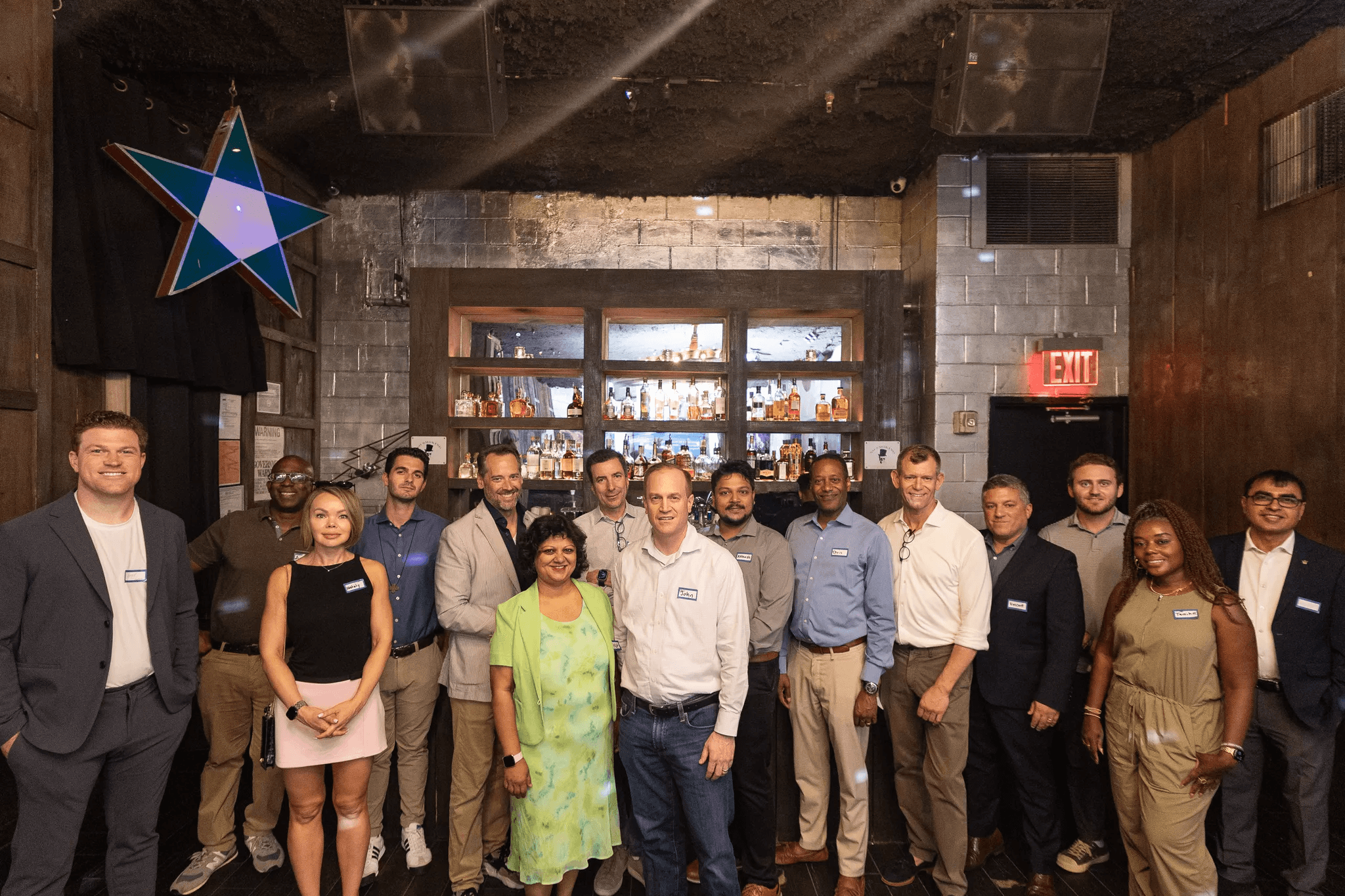
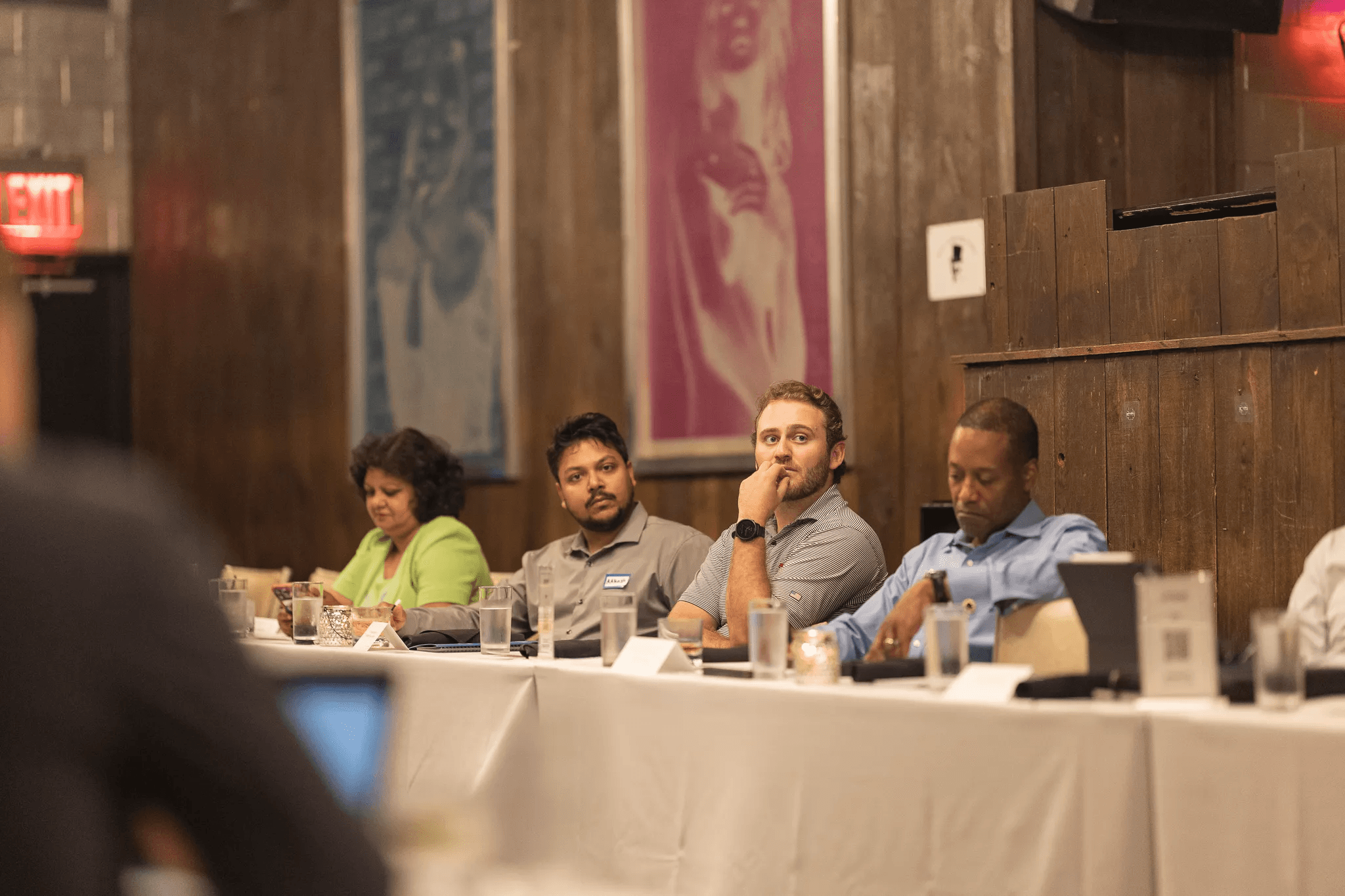
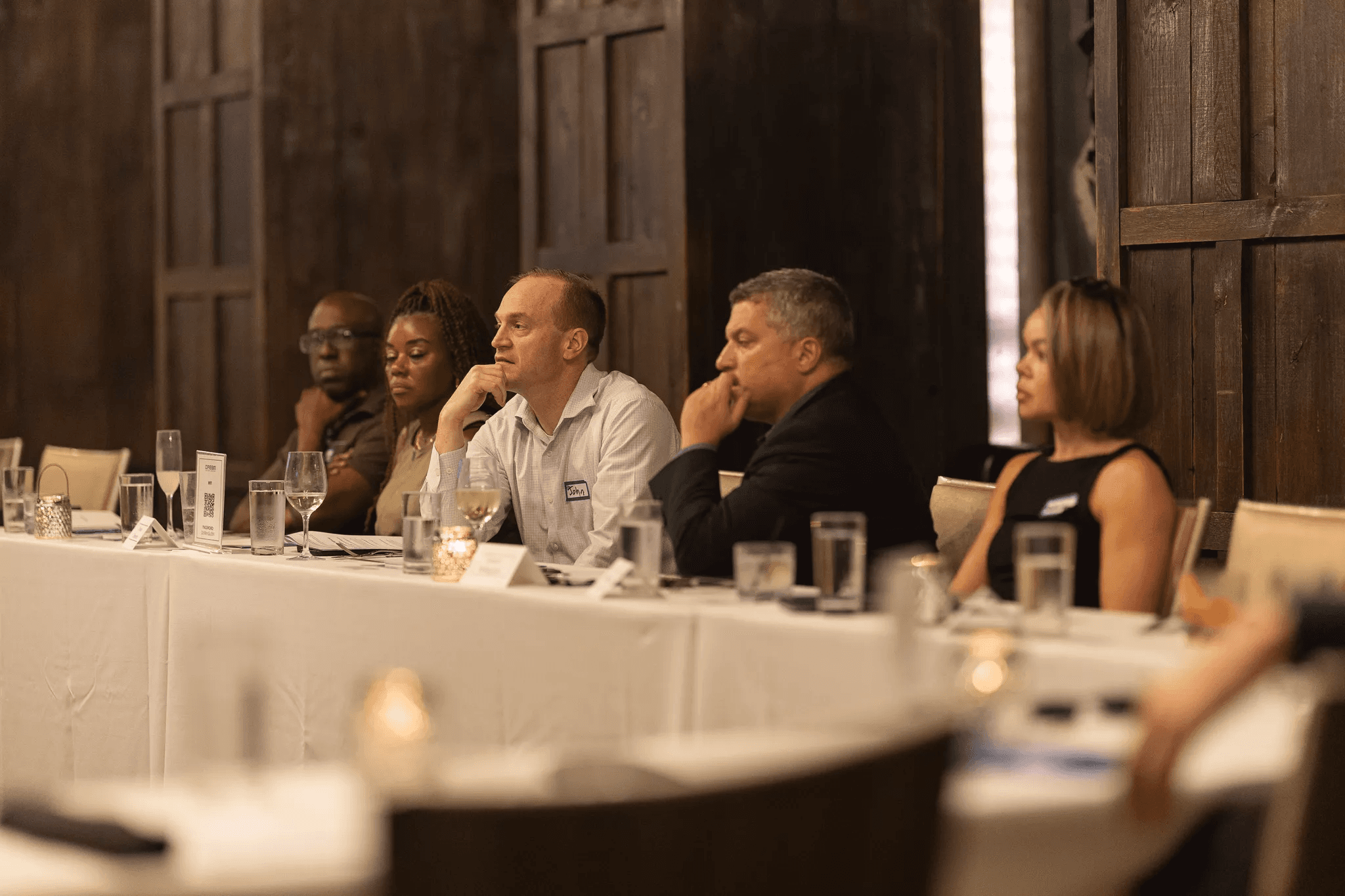
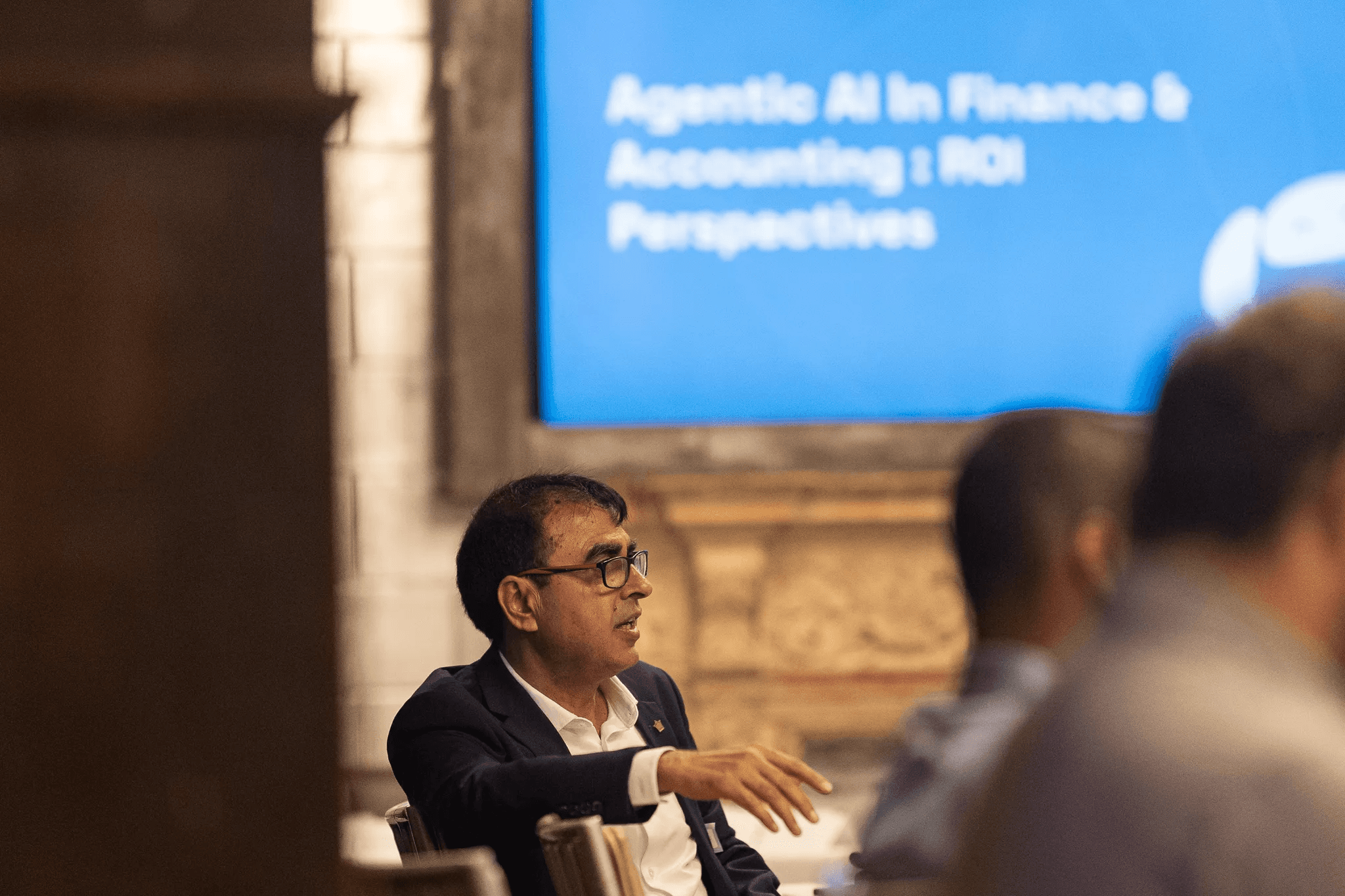
On July 17, senior finance leaders came together in New York for a focused CFO round-table on a critical question:
How do you translate Agentic AI from experimentation into measurable ROI?
Hosted at Dream Downtown, the discussion was structured around a clear, outcome-driven agenda, moving from identifying where AI fits within finance workflows to building ROI frameworks and prioritizing adoption.
Moderated by Rajeev Pathak and John Silverstein, the session brought together practical insights from finance leaders actively evaluating AI in their organizations.
Mapping Agentic AI to Finance & Accounting Workflows
The conversation began with a foundational step: where does Agentic AI actually create value within finance?
Leaders focused on identifying high-impact processes across: Accounts Payable (AP), Accounts Receivable (AR), FP&A, audit, tax, and treasury.
Rather than applying AI broadly, the emphasis was on targeted deployment, pinpointing workflows that are:
High in volume
Repetitive in nature
Dependent on structured and semi-structured data
The discussion also highlighted the importance of readiness. Successful implementation depends on having:
Clean, accessible data
Strong system integrations
Clear governance and control frameworks
The takeaway: mapping AI to workflows isn’t just about opportunity, it’s about operational feasibility.
Building an ROI Framework That Actually Works
The second part of the discussion shifted to measurement, how to quantify the value of Agentic AI.
Finance leaders broke ROI down into core components:
Cost-to-serve reduction
Cycle-time improvements
Error reduction and accuracy gains
Risk mitigation and compliance benefits
Beyond individual metrics, the group explored the need for standardization:
Defining consistent KPI baselines
Establishing measurement cadence
Using structured payback formulas to evaluate investments
A key insight emerged: ROI in AI must be engineered, not assumed. Without clear frameworks, even high-performing implementations struggle to demonstrate value.
Prioritization and Roadmapping: Where to Start and What Comes Next
With workflows and ROI defined, the conversation turned to execution, including how to prioritize and scale.
Finance leaders discussed how to:
Stack-rank processes based on ROI potential, payback period, and strategic importance
Align AI initiatives with budget cycles and change-management capacity
Build phased adoption roadmaps that balance quick wins with long-term transformation
Rather than large-scale rollouts, the consensus favored a progressive approach:
Start with high-ROI, lower-complexity use cases
Demonstrate measurable impact
Expand into more complex, interconnected workflows
This approach ensures momentum while managing risk and change effectively.
A Structured, ROI-Driven Discussion
What made this round-table particularly valuable was its focus on practical decision-making.
Each agenda topic was built toward a clear objective:
Where to apply AI → How to measure it → How to scale it
The conversation extended beyond the formal session, as finance leaders continued exchanging perspectives over drinks and dinner, sharing real-world challenges, validating approaches, and learning from each other’s experiences.
Looking Ahead
The discussions in New York highlighted a clear shift:
Agentic AI in finance is no longer about capability; it’s about accountability.
As adoption accelerates, the differentiator will be how effectively organizations can:
Map AI to the right workflows
Measure impact with precision
Prioritize and scale with discipline
In the end, success won’t come from experimenting with AI, but from turning it into a repeatable, ROI-driven capability.
Follow us on LinkedIn to stay updated on upcoming CFO round-tables and discussions.
Interested in applying Agentic AI within your finance workflows? Book a 30-minute conversation with us to identify where it can drive the most measurable impact.